
The Allure of Risk: Understanding the Thrill
The psychology of gambling is intricately tied to the human attraction to risk. In modern casinos, the environment is meticulously designed to stimulate excitement and anticipation. As players engage with various games, the adrenaline rush that accompanies the chance of winning can lead to a euphoric state. This emotional thrill drives many individuals to partake in gambling, often overriding their rational decision-making processes about the risks involved. For those seeking thrills, the best online casino in new zealand offers an engaging experience that capitalizes on this by creating an atmosphere that encourages risk-taking behavior at every corner.
The concept of risk-taking is further enhanced by the use of reward systems in gambling. The intermittent reinforcement schedule, where winnings occur sporadically, plays a significant role in maintaining player engagement. This unpredictability keeps gamblers returning, as they become conditioned to anticipate potential wins. As players chase the next big win, their focus often shifts from the reality of losses to the excitement of future possibilities, a psychological phenomenon known as the “gamblers’ fallacy.” This mindset can lead to prolonged periods of play and, in some instances, compulsive gambling behavior.
Moreover, the physical design of casinos amplifies this psychological allure. Bright lights, vibrant colors, and enticing sounds synergistically create a captivating experience that can distort time perception. Players may lose track of how long they have been gambling, falling deeper into the experience. This manipulation of sensory stimuli contributes to a state of immersion, further blurring the lines between enjoyment and compulsion. Understanding these psychological triggers is essential for both players and casino operators to create a responsible gambling environment.
The Role of Social Interaction in Gambling
Social dynamics significantly impact gambling behaviors in casinos, as many players thrive on the interactive nature of games. The communal atmosphere of table games, such as poker or blackjack, fosters a sense of camaraderie among players. These social ties can enhance the overall gambling experience, making it more enjoyable and less solitary. Conversations and shared excitement around the table often lead to increased spending, as players feed off each other’s enthusiasm. This sense of belonging can be a powerful motivator, encouraging individuals to gamble more frequently.
Additionally, the psychology of competition cannot be overlooked in the context of modern casinos. Players often engage in competitive play, whether against each other or the dealer, which adds an extra layer of thrill. This competitive spirit can ignite a desire to win, pushing players to take bigger risks. The social pressure to perform well can also lead to the phenomenon of “loss chasing,” where individuals continue to gamble in hopes of recouping losses to maintain their social standing among peers.
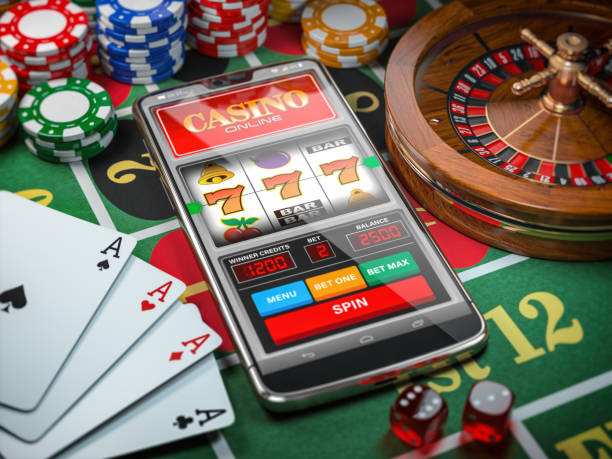
Furthermore, casinos often host events, tournaments, or themed nights that incorporate social elements into gambling experiences. These events attract groups, enhancing the community feel and encouraging regular patronage. The blend of social interaction with the thrill of gambling reinforces the notion that casinos are not solely about financial gain; they serve as venues for entertainment and social engagement. This integration of social psychology is a key factor in why many people are drawn to casinos, often beyond the lure of monetary rewards.
Addiction and Compulsive Gambling Behavior
The intersection of psychology and gambling also raises concerns about addiction and compulsive behaviors. While many enjoy gambling recreationally, a significant subset of players may develop problematic gambling habits. Understanding the psychological mechanisms behind addiction is crucial for recognizing when gambling transitions from a leisurely activity to a compulsion. Factors such as personality traits, mental health issues, and environmental influences can all contribute to the likelihood of developing gambling addiction, making it a multifaceted issue that extends beyond the individual.
The concept of escapism plays a prominent role in gambling addiction. For many, casinos offer a temporary escape from daily stresses and life challenges. The immersive environment can provide a distraction from problems, leading individuals to seek solace in gambling. However, this coping mechanism can spiral into a cycle of avoidance, where the individual doubles down on gambling to escape their issues, leading to deeper financial and emotional distress. Recognizing the signs of gambling addiction is vital for creating effective interventions and support systems.
Moreover, the role of technology cannot be overlooked in the discussion of gambling addiction. With the advent of online gambling and mobile gaming, access to gambling has become easier than ever. This accessibility can exacerbate existing tendencies toward compulsive behavior, as individuals might gamble more frequently and in environments devoid of social accountability. As the landscape of gambling evolves, it is essential to address how modern innovations impact gambling behaviors and the associated psychological implications.
The Psychology Behind Casino Design
The architectural and aesthetic design of modern casinos is not merely about appealing visuals; it’s a strategic endeavor rooted in psychological principles. The layout of a casino is designed to create a seamless flow that encourages exploration and prolonged engagement. By strategically placing popular games near entrances or pathways, casinos guide guests through various segments, often leading them to places that offer higher chances of risk. This design generates opportunities for gambling while maintaining a sense of excitement and discovery.

Furthermore, the absence of windows and clocks in many casinos is a calculated choice aimed at altering players’ perception of time. By creating an environment where players lose track of hours, casinos can keep them gambling for extended periods. This deliberate manipulation of time creates a sense of urgency; players feel as if they must keep playing to maximize their chances of winning. The psychological impact of this design choice is profound, as it can lead to increased gambling sessions that may not reflect a player’s initial intent.
Additionally, the use of rewards, loyalty programs, and complimentary services is integrated into the casino experience to reinforce positive feelings associated with gambling. When players are rewarded for their loyalty, they are more likely to continue engaging with the casino, both emotionally and financially. This approach cultivates a relationship between players and the casino, wherein repeated visits become synonymous with positive experiences, further intertwining psychology with the design of gambling environments.
Understanding Casino Responsibility and Player Awareness
As the psychology of gambling becomes a more prominent topic of discussion, the need for responsible gaming practices in modern casinos is vital. Many establishments are now implementing measures to promote awareness and educate players about responsible gambling. By providing information on the risks associated with gambling, casinos can empower players to make informed decisions. This shift reflects a growing understanding of the psychological impact of gambling, prompting operators to prioritize player welfare alongside profits.
Additionally, many casinos are beginning to incorporate self-exclusion programs that allow individuals to voluntarily limit their playtime or ban themselves altogether. These initiatives are designed to support players in recognizing when their gambling habits may be becoming problematic. By fostering a culture of responsibility, casinos can play a pivotal role in mitigating the risks associated with gambling addiction while maintaining a profitable business model.
As the gambling landscape continues to evolve, ongoing research into the psychology of gambling will be crucial in shaping future practices. With a deeper understanding of the psychological triggers that influence gambling behavior, casinos can develop more effective strategies to ensure a safe and enjoyable environment for all patrons. This commitment to player awareness not only enhances the public image of casinos but also reflects a growing responsibility towards the communities they serve.